

Buying a new home is one of life’s most exciting milestones. It’s a significant investment not just financially, but in your future happiness and stability. At Treeline by Hillwood, we believe that investment should come with complete peace of mind. That’s why every home in our community is built with exceptional craftsmanship and backed by a comprehensive new construction home warranty.
Even a brand-new home, built with the highest quality materials and attention to detail, benefits from rigorous quality assurance. A builder’s warranty is a promise—a testament to the confidence we and our builders have in the homes we deliver. The builders at Treeline are dedicated to superior construction, and their warranty-backed confidence ensures you can settle into your new life without worry.
What Is a Home Warranty for New Construction?
A home warranty for new construction is a limited warranty provided by the builder to the homebuyer. Its primary purpose is to cover the cost of repairs for specific defects in materials or workmanship for a set period after you move in. It’s the builder’s commitment to stand behind their product.
It’s important to differentiate this from homeowners’ insurance. Homeowners’ insurance protects you from unexpected damage caused by events like fire, storms, or theft. A warranty on new home construction, on the other hand, covers issues related to the construction of the home itself.
At Treeline, all eight of our esteemed builders provide a robust new construction home warranty package with every home they sell. This ensures that your new home is protected from the start.
Why a Home Warranty for New Construction Matters
Choosing a new home is a major decision, and a builder’s warranty offers several key advantages that protect your investment and provide lasting reassurance.
- Financial Protection: A warranty shields you from the cost of unforeseen repairs for covered items, saving you from unexpected expenses shortly after moving in.
- Builder Accountability: It serves as a guarantee that your builder stands behind their work, promising to address any qualifying issues that may arise.
- Enhanced Resale Value: A transferable warranty can be an attractive selling point for future buyers, demonstrating that the home has been well-maintained and backed by its original builder.
At Treeline, our promise is simple: each home is constructed with care and covered with confidence, so you can focus on building the life you’ve always envisioned and fostering that true sense of community.
What Does a New Construction Home Warranty Cover?
Builder warranties are typically structured in layers, often referred to as a “1-2-10” warranty, covering different parts of your home for varying lengths of time. This layered warranty protection ensures your investment is secure for years to come.
- One-Year Workmanship & Materials Warranty: This is the most comprehensive part of the warranty. For the first year, builders typically cover defects in workmanship and materials throughout the home. This can include things like drywall, paint, trim, doors, and countertops.
- Two-Year Systems Warranty: This portion covers defects in the major systems of your home. It includes the electrical, plumbing, and HVAC (heating, ventilation, and air conditioning) systems.
- Ten-Year Structural Warranty: The longest-term coverage protects against major structural defects that compromise the home’s integrity. This includes critical components like the foundation, floor framing, load-bearing walls, and roof framing.
Be sure to ask the builder’s representative for a copy of their new home warranty prior to making a decision, to review their terms. Your builder’s warranty terms may vary from what is described here.
What’s Not Covered by a Home Warranty for New Construction?
To ensure a smooth homeownership experience, it’s also important to understand what a new construction warranty typically excludes:
- Normal Wear and Tear: Scuffs on the walls, fading paint, or carpet wear that occurs over time are considered typical wear from daily usage and will not be covered under a warranty.
- Homeowner Maintenance: The homeowner is responsible for regular upkeep, such as changing air filters, caulking, or cleaning gutters. Neglect of these duties is not covered.
- Household Appliances: Major appliances like your refrigerator, dishwasher, and oven are usually covered by separate warranties directly from the manufacturer.
- Cosmetic Imperfections: Minor cosmetic issues noted after the final walk-through and closing are generally not covered.
How Does a New Construction Home Warranty Work?
Using your warranty is a straightforward process. If you discover an issue you believe is covered, follow these steps:
- Identify and Report the Issue: Contact your builder or their warranty service department through the proper channels, providing a clear description of the problem.
- Review and Inspection: The builder or a warranty representative will review your claim and may schedule an inspection to assess the issue.
- Schedule the Repair: If the issue is covered under the warranty, the builder will schedule the necessary repairs or replacements.
Pro-Tip: Keep detailed records of your home inspection reports, final punch list, and any correspondence with your builder regarding warranty claims.
Why You Still Need a Home Inspection and a Walk-Through Before Closing
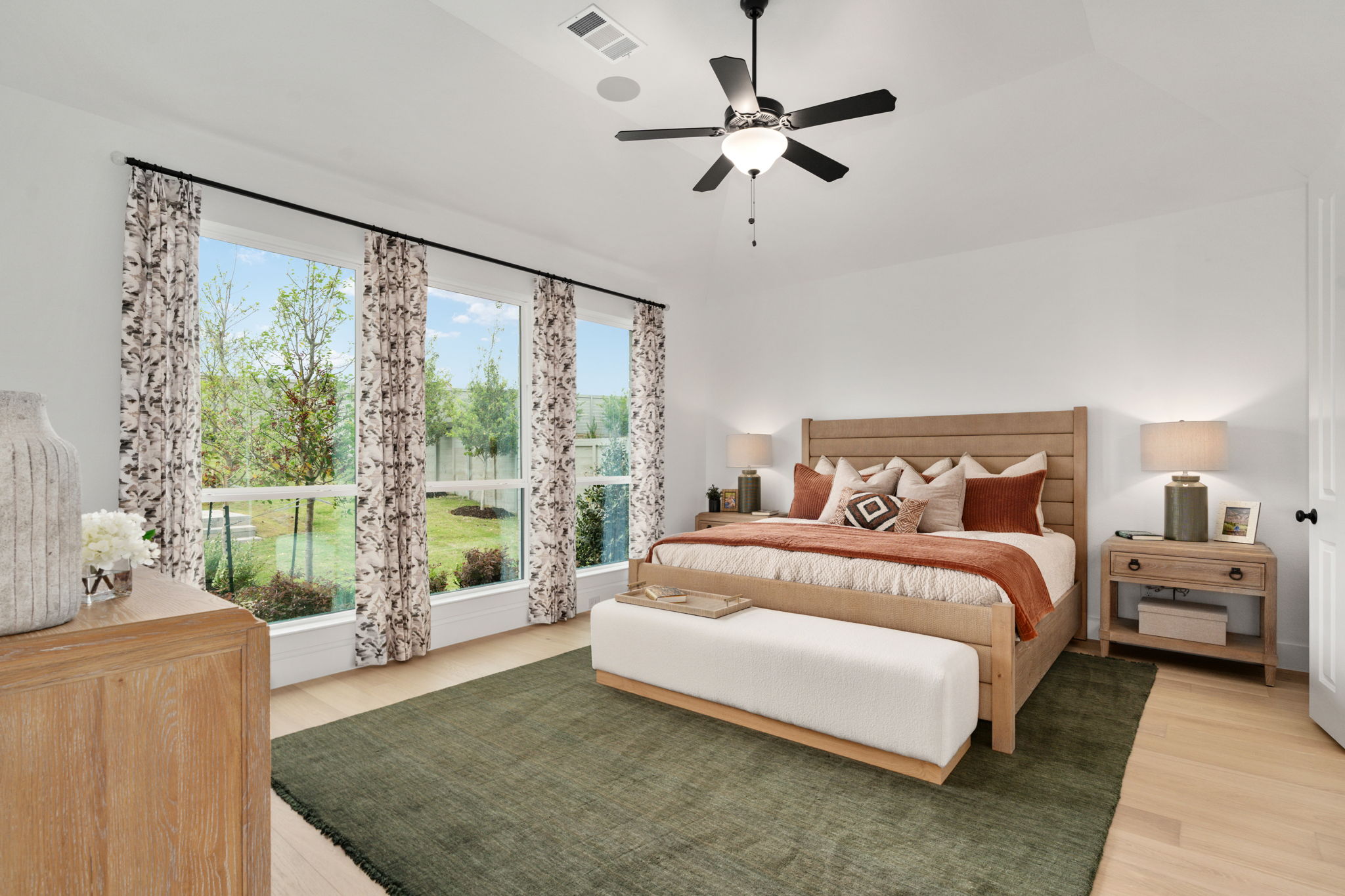
Even with a new build and a great warranty, an independent home inspection is highly recommended. A third-party inspector acts as a second set of eyes, verifying that everything was built to code and meets quality standards. They can identify small issues that are easier to address before you move in.
The final walk-through with your builder’s representative is another critical step. This is your opportunity to carefully inspect the finished home, test systems, and create a “punch list” of any items that need attention before closing. It’s also the perfect time to ask questions about your warranty coverage and home maintenance.
Frequently Asked Questions About New Construction Home Warranties
What is a home warranty, and how is it different from homeowners’ insurance?
A home warranty covers defects in the home’s construction, while homeowners’ insurance covers accidental damage from events like weather or fire.
How long does a builder’s home warranty typically last?
Most follow a 1-2-10 structure: one year for workmanship, two years for systems, and ten years for structural components. Be sure to confirm your warranty’s details with your builder’s representative before closing.
Should I still get a home inspection on a new build?
Yes. An independent inspection provides an unbiased assessment of your new home and can catch minor issues before you move in.
Can I transfer my new construction home warranty if I sell my home?
In most cases, yes. The structural portion of the warranty is often transferable to the next owner, which is a great asset for resale.
What happens during the final walk-through before closing?
You and your builder’s representative will tour the home to confirm everything is complete and create a final list of items to be addressed.
Protect Your Investment with a Builder-Backed New Construction Home Warranty
Choosing one of Treeline’s beautiful new homes in Justin, TX, means choosing a life rooted in nature, community, and quality. From the thoughtful home designs to the range of community amenities like The Hideaway amenity center and Sky Park, every detail is designed to help you build a beautiful life. That commitment to quality extends to the new construction home warranty that backs every home we sell.
Ready to see for yourself? Explore move-in-ready homes at Treeline and experience craftsmanship backed by confidence. Visit the model homes from our eight great builders today—all models are open and our builders are offering great incentives!
Come discover Treeline by Hillwood, where good land and good people make a good place.